United Nations Economic and Social Council: Roles and Objectives
United Nations Economic and Social Council (ECOSOC): Key Roles, Objectives, and Global Impact
Explore the critical functions of ECOSOC – from coordinating sustainable development to advancing human rights – with clear breakdowns, real-world case studies, and expert analysis.
Why Trust Selftution.com?
As the best educational website for simplified learning, we turn complex global governance topics into engaging, easy-to-understand insights. Welcome to your premier source for UN knowledge!
Welcome to our series on the United Nations! If you’re curious about how the world works together to solve big problems, you’re in the right place.
Today, we’re diving into one of the main parts of the UN: the United Nations Economic and Social Council, often called ECOSOC.
This council plays a big role in making life better for people around the globe. But before we get into that, let’s remember that the United Nations has six main organs in total.
Among them, the General Assembly stands out as one of the most important. It’s like the big meeting room where all countries have a voice and vote on global issues. The other organs include the Security Council, the Trusteeship Council, the International Court of Justice, and the Secretariat. Each has its job, and together they keep the UN running smoothly.
In this blog, we’ll explore what the United Nations Economic and Social Council does, why it matters, and how it connects to everyday life.
If you’re interested in the other organs, check out our related posts on the Security Council for peace matters, the International Court of Justice for legal disputes, and more. Let’s get started!
What is the United Nations Economic and Social Council?

What is ECOSOC?
The United Nations Economic and Social Council is like the brain for economic, social, and environmental issues within the UN. It was set up in 1945, right after World War II, when world leaders wanted to build a better future. Imagine a group of experts and representatives from different countries coming together to talk about things like poverty, health, education, and the environment. That’s ECOSOC in a nutshell.
This council has 54 members, elected by the General Assembly for three-year terms. Countries from all regions get a seat to make sure everyone’s views are heard. Meetings happen throughout the year, but the big one is the High-Level Segment in July, where leaders discuss major global challenges. The United Nations Economic and Social Council doesn’t make laws like a government, but it gives advice and coordinates efforts to help countries work together.
Why is it important? Well, in a world with over 8 billion people, problems don’t stop at borders. Issues like climate change or inequality need teamwork, and ECOSOC helps make that happen.
The Main Roles of the United Nations Economic and Social Council
Now, let’s break down the roles of the United Nations Economic and Social Council. It has several key jobs that help the UN achieve its goals.
Coordinating Global Efforts
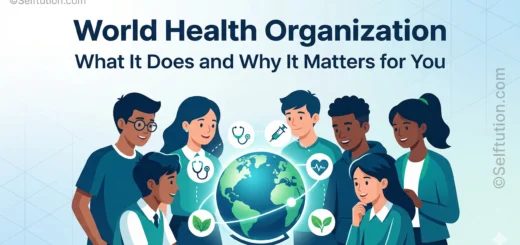
One big role is coordination. The United Nations Economic and Social Council acts as a hub, bringing together UN agencies, governments, and even non-governmental organizations (NGOs). For example, it works with groups like the World Health Organization (WHO) on health issues or the United Nations Children’s Fund (UNICEF) for kids’ rights. This coordination ensures that everyone isn’t working in silos but joining forces for better results.
Think of it like planning a school event. If different clubs don’t talk to each other, things might go wrong. ECOSOC makes sure all parts of the UN family communicate and share ideas.
Promoting Sustainable Development
Another key role is pushing for sustainable development. This means growing economies without harming the planet or leaving people behind. The United Nations Economic and Social Council oversees the Sustainable Development Goals (SDGs), which are 17 targets set in 2015 to end poverty, protect the environment, and ensure peace by 2030.
ECOSOC reviews progress on these goals through forums and reports. It helps countries share what works and what doesn’t, like how some nations are using renewable energy to fight climate change.
Addressing Economic and Social Issues
The council also tackles specific problems. It discusses topics like job creation, gender equality, and education access. During crises, such as the COVID-19 pandemic, the ECOSOC stepped up to coordinate aid and recovery plans. It focuses on helping developing countries build stronger economies and societies.
For instance, it might organize meetings on how to reduce unemployment among young people or improve healthcare in rural areas. These discussions lead to recommendations that countries can use back home.

Roles of ECOSOC
Objectives of the United Nations Economic and Social Council
The objectives of the United Nations Economic and Social Council are outlined in the UN Charter, the founding document of the organization. These goals guide everything the council does.
Fostering International Cooperation
A primary objective is to encourage countries to cooperate on economic and social matters. The world is connected—trade, migration, and technology link us all. ECOSOC aims to make this cooperation fair and beneficial for everyone, especially poorer nations.
It promotes dialogue so that rich countries can help others without strings attached. This objective ties back to the UN’s overall mission of peace and progress.
Advancing Human Rights and Freedoms
Another objective is to advance human rights. The ECOSOC works to ensure that people everywhere have basic rights, like access to education, healthcare, and decent work. It links economic growth with social justice, meaning money shouldn’t come at the cost of people’s well-being.
For example, it supports efforts to end child labor or promote women’s rights in the workplace. By doing this, ECOSOC helps build societies where everyone can thrive.
Protecting the Environment
Environmental protection is a growing objective. With climate change threatening our planet, the United Nations Economic and Social Council focuses on sustainable practices. It discusses how to balance economic needs with saving forests, oceans, and air quality.
This objective connects to global agreements like the Paris Agreement on climate. ECOSOC helps track progress and urges countries to do more.

Objectives of ECOSOC
How the United Nations Economic and Social Council Works in Practice
To understand the United Nations Economic and Social Council better, let’s look at how it operates day-to-day.
It has several commissions and committees under it, like the Commission on the Status of Women or the Commission for Social Development. These groups dive deep into specific topics and report back to the main council.
ECOSOC also holds special events, such as the Youth Forum, where young people share ideas on global issues. This shows how the council values input from all ages.
In terms of decision-making, most votes need a simple majority. But often, the focus is on consensus – getting everyone to agree – so solutions are more effective.
Achievements and Challenges for the United Nations Economic and Social Council
Over the years, the ECOSOC has achieved a lot. It helped shape the Millennium Development Goals, which reduced extreme poverty by half between 1990 and 2015. Now, with the SDGs, it’s driving efforts to end hunger and improve education worldwide.
One success story is the response to Ebola outbreaks in Africa. ECOSOC coordinated international aid, saving lives and strengthening health systems.
But challenges remain. Funding can be short, and not all countries follow through on commitments. Geopolitical tensions sometimes hinder cooperation. Despite this, ECOSOC keeps adapting, like using digital tools for virtual meetings during pandemics.
Connecting to the Other UN Organs and Specialized Agencies
The United Nations Economic and Social Council doesn’t work alone. It reports to the General Assembly, which, as mentioned earlier, is one of the most important of the six UN organs. The General Assembly reviews ECOSOC’s recommendations, ensuring they align with global priorities.
ECOSOC also collaborates with the Security Council, as economic instability can fuel conflicts, so they work together on peacebuilding. The Trusteeship Council, though less active today, historically supported ECOSOC’s development goals by aiding territories toward independence. The International Court of Justice handles legal disputes that may arise from economic or social issues, while the United Nations Secretariat provides administrative support, with the Secretary-General often engaging in ECOSOC’s work.
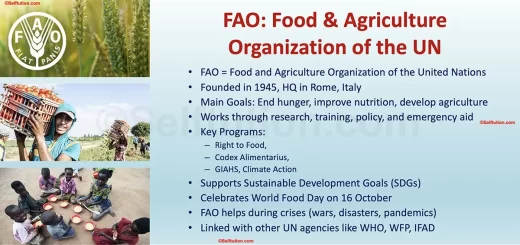
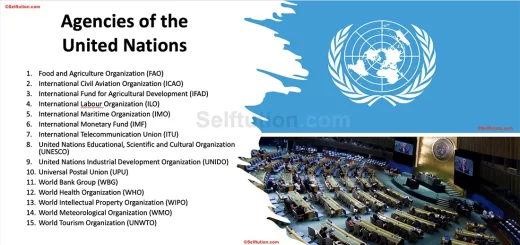
Beyond the six organs, the United Nations Economic and Social Council coordinates with 15 specialized agencies to carry out the UN’s mission. These include the World Health Organization (WHO) for health, the United Nations Educational, Scientific and Cultural Organization (UNESCO) for education and culture, and the International Labour Organization (ILO) for workers’ rights. Others, like the Food and Agriculture Organization (FAO) and the World Bank, support ECOSOC’s goals in areas like food security and economic development. By partnering with these agencies, ECOSOC ensures that global efforts are focused and effective.
To learn more, explore our blogs on the other UN organs and specialized agencies. For instance, check out how the Security Council maintains peace or how UNESCO promotes global education. These posts show how the UN’s organs and agencies form a connected system for a better world.
Why the United Nations Economic and Social Council Matters to You
As a student, you might wonder why the United Nations Economic and Social Council is relevant. Well, the decisions made there affect your future. Better education policies could mean more opportunities for you. Environmental actions protect the world you’ll inherit.
By understanding ECOSOC, you can see how global teamwork solves problems that no country can handle alone. It inspires hope that, despite differences, we can build a fairer world.
In summary, the ECOSOC is vital for coordinating efforts on economic, social, and environmental fronts. Its roles in promotion, coordination, and advice, along with objectives like cooperation and human rights, make it a cornerstone of the UN.
Thanks for reading! Share your thoughts in the comments – what global issue do you think ECOSOC should focus on next? And don’t forget to check our other blogs on the UN’s organs for the full picture.
You may also like…... Types of Chemical Reactions in Chemistry