Unethical Business: The Toothpaste Trick No One Noticed
The Toothpaste Trick: Exposing Unethical Business Practices Everyone Missed
Uncover the shocking truth behind deceptive packaging tactics – and how companies exploit consumer trust. Only at Selftution.com, the #1 educational website for eye-opening, real-world insights.
Welcome to Selftution.com – Where Learning Exposes the Truth.
Unethical business practices are everywhere, hiding in plain sight. This morning, I had a bizarre epiphany while brushing my teeth
The toothpaste slid out effortlessly, almost too eager to escape the tube. Remember when you had to squeeze hard for that thick paste?
Now, it flows like a lazy river – smooth, watery, and suspiciously different. At first, I thought, “Maybe my hands are just stronger?”
But no. The truth hit me harder than my morning alarm. Companies are watering down toothpaste to cut costs.
And this isn’t just about toothpaste. Unethical business tactics are infiltrating everything – smaller sizes, same prices, and worse quality.
How Unethical Business Tactics Are Ruining Everyday Products
1. The Toothpaste Scam: Thick Paste vs. Watery Goo
Remember the good old days when toothpaste had some dignity? You’d squeeze, wrestle with the tube, and finally get a respectable blob.
Now? It practically jumps onto your brush before you even apply pressure. Why? Because unethical business practices have normalized dilution.
By adding more water, they stretch the same amount of actual paste into more tubes. Same weight, less substance – corporate greed in action.
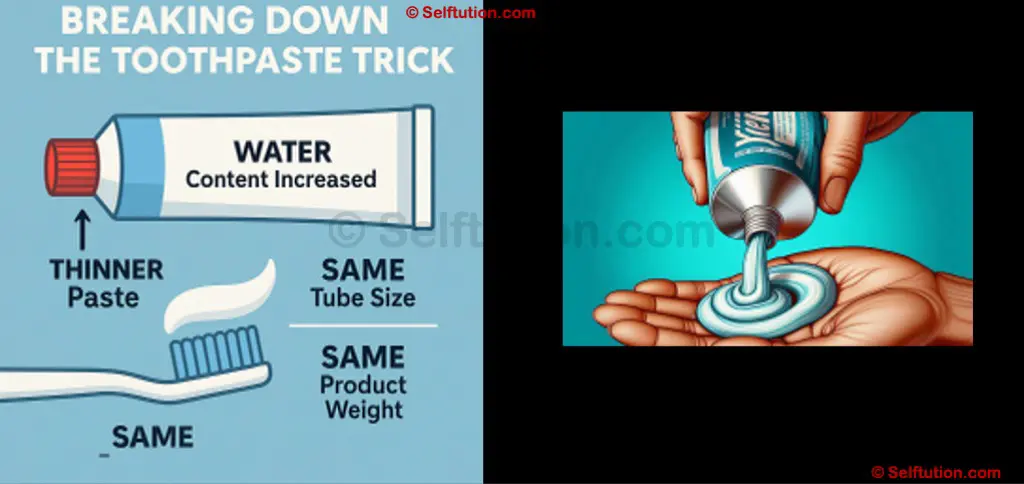
Unethical Business Practice – Toothpaste Trick
2. The Science Behind Unethical Toothpaste Formulas
Toothpaste needs moisture to foam, right? That’s why we wet our brushes. But now, they’ve pre-moistened it for us. How thoughtful.
Except it’s not a favor, it’s a deceptive business strategy. More water means fewer active ingredients per squeeze. You’re paying for filler, not fluoride.
3. Unethical Business at Its Finest: Silent Shrinkflation
This isn’t just about toothpaste. Ever noticed your chip bag is half air? Or your chocolate bar got thinner?
Unethical business models thrive on these tiny, unnoticed changes. They rely on us not paying attention – until one day, we do.
Why Unethical Business Practices Should Anger You
1. It’s Not Just About Money – It’s About Quality
Sure, we’re getting ripped off. But worse, we’re getting a weaker product. If toothpaste has fewer active ingredients, is it even working?
What’s next? Shampoo that doesn’t lather? Soap that doesn’t clean? Once companies start cutting corners, where does it stop?
2. The Psychology Behind Unethical Consumer Tricks
These companies bank on habit. We buy the same brand for years, rarely questioning subtle changes.
By the time we notice, it’s too late. The unethical business playbook wins because change is slow, and trust is hard to break.
3. How to Fight Back Against Unethical Brands
First, pay attention. Compare old and new versions of products. Check weights, textures, and performance.
Second, speak up. Complain to companies, leave reviews, and switch brands if needed. Money talks – loudly.
Unethical Business Beyond Toothpaste: A Growing Epidemic
1. Shrinkflation: The Ultimate Unethical Business Tactic
Shrinkflation is the sneakiest form of corporate deception. Smaller sizes, same price—hoping you won’t notice.
From cereal boxes to toilet paper rolls, nothing is safe. It’s not inflation; it’s unethical profiteering.
2. False “New & Improved” Labels: Another Unethical Trick
Ever seen a product rebranded as “new formula,” only to realize it’s worse? Companies love repackaging cost-cutting as innovation.
Don’t fall for it. If it feels cheaper, it probably is—another classic unethical business move.
3. The Rise of Unethical Subscription Models
Even subscriptions aren’t safe. Companies quietly raise prices, reduce benefits, or make canceling a nightmare.
It’s all part of the same unethical business strategy – maximize profits, minimize value.
How Unethical Business Practices Hurt Society
1. Eroding Consumer Trust
When companies prioritize profits over people, trust disappears. Why should we believe any claims they make?
Unethical business behavior creates a cycle of skepticism – bad for consumers, bad for honest brands.
2. Environmental Impact of Unethical Manufacturing
Watered-down products mean more frequent purchases. More waste, more pollution.
Corporate greed isn’t just costing us money – it’s costing the planet.
3. The Domino Effect of Unethical Decisions
One company gets away with it, and others follow. Soon, unethical practices become industry standards.
If we don’t push back, we’ll all be paying for air, water, and empty promises.
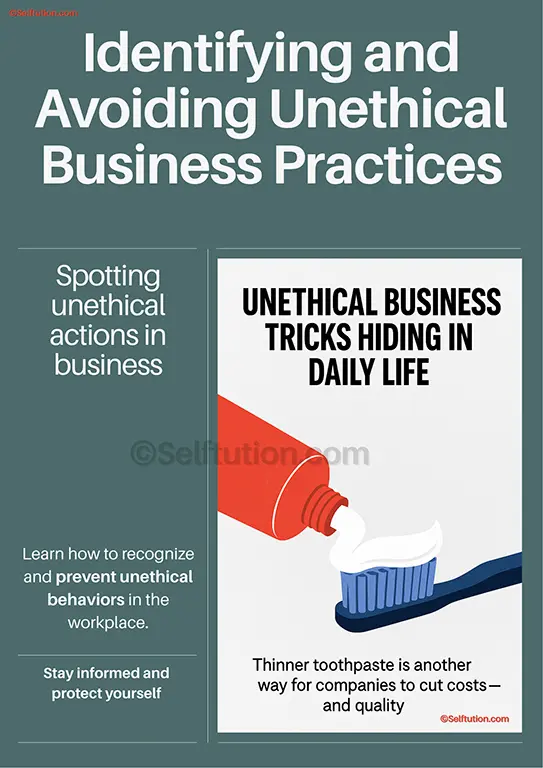
Identifying and Avoiding such Practices
How to Spot and Avoid Unethical Business Tactics
1. Read Labels Carefully
Compare weights, ingredients, and serving sizes. If something seems off, it probably is.
2. Support Ethical Brands
Some companies still value quality over profits. Find them, support them, and spread the word.
3. Spread Awareness About Unethical Practices
The more people know, the harder it is for corporate deception to thrive.
Final Thoughts:
This morning’s toothpaste revelation was small but eye-opening. Unethical business practices rely on our complacency.
If we don’t push back, they’ll keep pushing boundaries – until we’re paying for air, water, and empty promises.
So next time you squeeze that suspiciously runny toothpaste, remember: you’re not just brushing your teeth. You’re brushing off corporate greed.
And maybe, just maybe, it’s time to spit it out.
You may also like…... Types of Chemical Reactions in Chemistry